In the UK, asbestos wasn’t banned all at once. Instead, it was a gradual process that began with restrictions and eventually led to outright bans on different types of asbestos. There are three main types of asbestos that were used commercially: white (chrysotile), blue (crocidolite), and brown (amosite). Each was banned at different times, as more became known about their risks.
The first major move came in 1985, when the UK government banned the use of blue and brown asbestos. These two types were found to be particularly hazardous. However, white asbestos — the most commonly used type — was still allowed under certain conditions. That ban didn’t come until later.
It wasn’t until 1999 that the UK finally banned all forms of asbestos, including white asbestos, under the Asbestos (Prohibitions) (Amendment) Regulations. This marked the official end of asbestos use in the UK construction industry. From that point on, it became illegal to import, supply, or use asbestos-containing materials.
So, When Did Asbestos Actually Stop Being Used?
Although the final ban came into effect in 1999, that doesn’t mean asbestos disappeared overnight. Materials already installed in buildings were not required to be removed unless they were damaged or disturbed. As a result, buildings constructed or refurbished before the year 2000 may still contain asbestos.
That’s why the official guidance still treats any building built before 2000 as potentially containing asbestos. It’s not unusual for us at JL Plasterers to work on properties in and around Darlington where asbestos is still present, particularly in older council homes, schools, and industrial units. Even some buildings constructed in the late 90s can surprise you.
What Should You Do If You Suspect Asbestos?
If you’re planning any kind of renovation or building work and suspect that asbestos might be present, the most important thing is not to disturb it. Asbestos is most dangerous when it becomes airborne, which happens when it’s cut, sanded, drilled, or broken up.
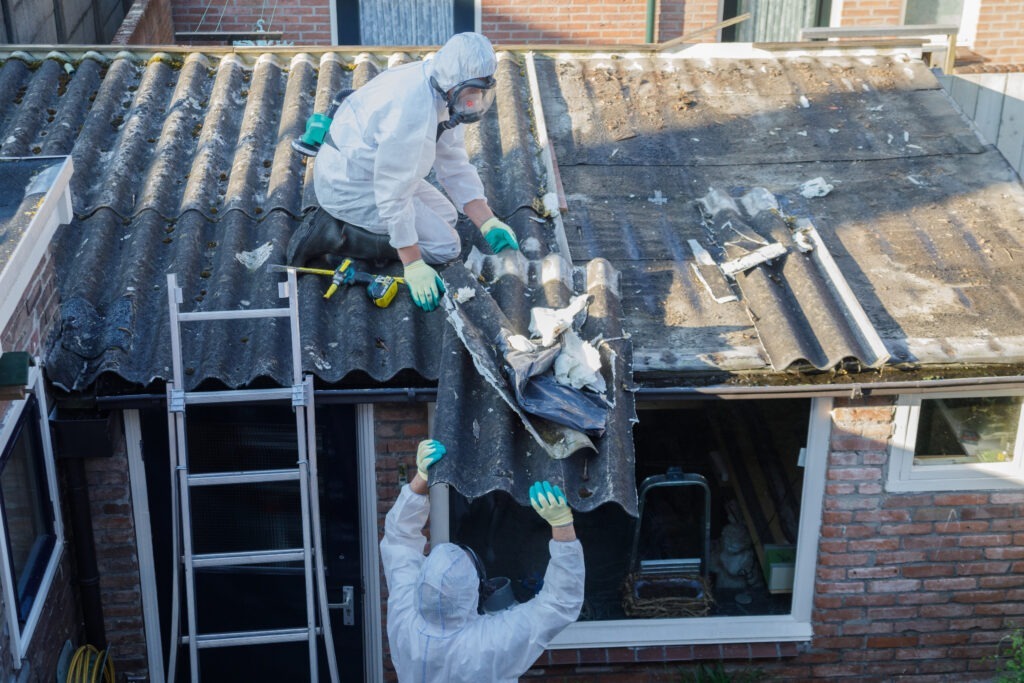
You’ll need a professional asbestos survey to confirm whether the material is present. If asbestos is identified, removal must be carried out by licensed professionals. In Darlington, we work closely with certified asbestos removal experts to ensure that any dangerous material is safely dealt with before we begin our plastering work.
Never attempt asbestos removal yourself. Aside from the serious health risks, you could also be breaking the law. The Control of Asbestos Regulations 2012 lays out strict rules about who can handle and dispose of asbestos materials.
Asbestos in Homes: What to Watch Out For
It’s worth noting that asbestos isn’t always obvious. It was commonly used in textured wall coatings, boiler cupboards, soffits, pipe lagging, and floor tiles. Just because something looks harmless doesn’t mean it is. In fact, one of the most dangerous aspects of asbestos is how easily it can go unnoticed — right up until it’s disturbed.
If your home was built before 2000, especially in the 1950s–1980s, there’s a fair chance that asbestos might be present. This is particularly true in areas like Darlington, where many homes and public buildings from that era are still in use today.
The Role of Professional Tradespeople in Managing Asbestos Risks
As plasterers, we’re not licensed asbestos removers — but we do know what to look for and when to pause work if there’s any suspicion of asbestos. Safety always comes first. On many jobs, particularly in older buildings, our work starts with a site assessment or survey. If there’s any chance that a ceiling, wall, or panel contains asbestos, we’ll halt everything and bring in the specialists before any plaster comes near it.
Over the years, we’ve worked on dozens of jobs where this has happened. Being proactive saves a lot of time, cost, and — most importantly — protects health. It also helps avoid potential legal issues down the line for both homeowners and contractors.
What Does the Law Say About Asbestos Today?
As of today, asbestos remains strictly regulated in the UK. The Control of Asbestos Regulations 2012 requires duty holders (such as landlords, business owners, and property managers) to manage asbestos risks in non-domestic premises. This includes arranging for surveys, keeping an asbestos register, and ensuring proper risk assessments are carried out.
Even in residential settings, if you’re doing major refurbishment or demolition, you have a legal obligation to manage asbestos safely. For homeowners, this means hiring competent professionals and avoiding any DIY approach that could lead to contamination.
Why Asbestos Awareness Still Matters
More than two decades after the full ban, asbestos is still one of the leading causes of occupational disease in the UK. Thousands of people are diagnosed every year with asbestos-related illnesses, most of which are preventable. That’s why awareness is so important — especially in trades like ours where disturbance of building materials is routine.
At JL Plasterers, we take asbestos seriously. We regularly train our team to stay up to date with the latest health and safety practices, and we always work in coordination with other trades to make sure asbestos isn’t putting anyone at risk. Whether we’re working on a domestic renovation in Darlington or a commercial property elsewhere in the North East, the approach is always the same: safe, professional, and legally compliant.
Final Thoughts: A Material with a Lingering Legacy
To answer the question directly — asbestos stopped being used legally in the UK after 1999. But its legacy is still very much with us. If you live in or manage a property built before 2000, asbestos is a real possibility. Knowing that, and acting accordingly, could save lives.
For our clients in Darlington and across the region, we’re always happy to advise if there’s concern about asbestos. While we don’t carry out asbestos removal ourselves, we work closely with trusted professionals who do. Once the site is safe and cleared, we’ll step in with high-quality plastering work that transforms your space — safely and beautifully. Contact us today.