Another issue commonly found in North East homes is uneven plaster. Over the years, walls may have been patched repeatedly, wallpaper removed, or previous plaster repairs carried out. These changes can leave surfaces looking uneven or rough once paint or wallpaper is removed.
This is particularly common in older terraced houses in areas such as Darlington, Middlesbrough and Stockton where properties may have gone through multiple generations of decoration and repair work.
Uneven walls can become more noticeable when modern paint finishes or strong lighting highlight imperfections in the plaster surface. Even small ridges or dips can become visible once the room is redecorated.
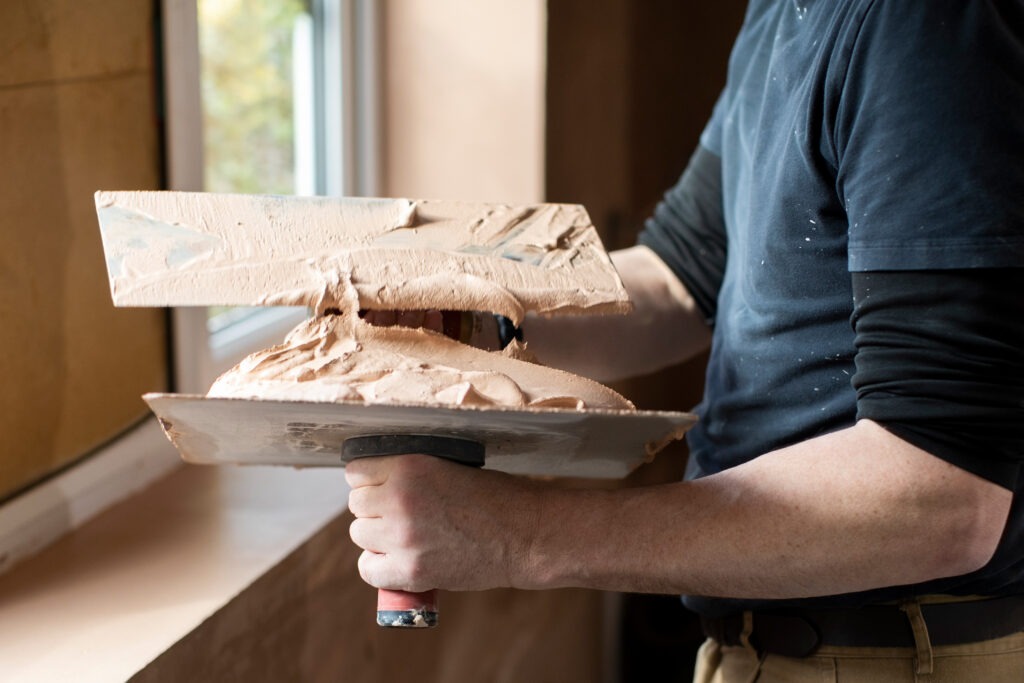
Skimming is often the best solution for this type of problem. Applying a fresh skim coat across the wall creates a completely smooth finish, allowing the entire room to be decorated with a clean, modern appearance.
Blown Plaster
Blown plaster occurs when the plaster surface separates from the wall behind it. When this happens, the plaster may feel hollow when tapped or begin to crumble away from the wall.
This issue can develop when plaster loses its bond with the underlying brickwork or plasterboard. Over time, movement within the property or moisture entering the wall can weaken this bond.
Homes in towns such as Durham and Bishop Auckland sometimes show signs of blown plaster, particularly in older buildings where plaster may have been in place for several decades.
When plaster becomes blown, patch repairs are rarely a long-term solution. The affected area usually needs to be removed and replastered properly to ensure the new surface bonds correctly with the wall structure.
Once repaired by experienced plasterers, the wall can once again provide a solid and reliable surface for decorating.
Damage Caused By Previous DIY Work
Another wall problem we frequently encounter during plastering projects is damage caused by previous DIY repairs. Homeowners often attempt to patch cracks or holes themselves, which can sometimes leave walls looking uneven or poorly finished.
Small repairs may seem simple at first, but plastering requires the correct materials, tools and techniques to achieve a smooth finish. DIY repairs can sometimes leave raised areas, visible patches, or inconsistent textures that become noticeable once the wall is painted.
In homes across Sunderland, Darlington and Stockton we often see walls that have been patched several times over the years, leaving the overall surface looking inconsistent.
Professional skimming can resolve this issue by creating a fresh plaster surface across the entire wall, covering older repairs and producing a smooth finish ready for decorating.
Damage Around Windows And Door Frames
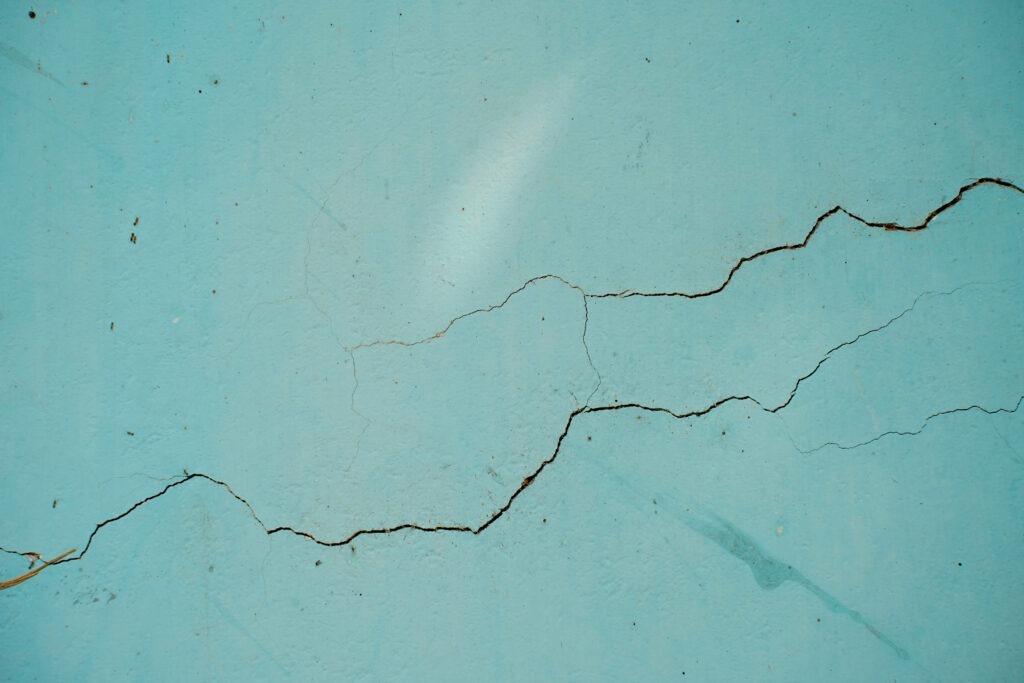
Cracks and plaster damage often appear around windows and door frames in North East homes. These areas experience frequent movement as doors and windows are opened and closed, which can place stress on the surrounding plaster.
In addition, changes in temperature between indoor and outdoor environments can cause slight expansion and contraction in building materials. Over time, this movement may cause small cracks to develop around these openings.
Properties in towns like Newton Aycliffe, Darlington and Middlesbrough often show these signs, particularly in older homes where plaster may have been in place for many years.
Repairing these areas usually involves removing loose plaster and carefully applying new material to restore a smooth and stable surface.
Wall Damage After Renovation Work
During home renovations, walls often need to be repaired or replastered once electrical work, plumbing upgrades or structural changes have been completed.
Installing new wiring, moving radiators or altering room layouts can require sections of plaster to be removed. Once the work has been completed, these areas need to be patched and finished so the wall returns to a smooth and consistent appearance.
Many renovation projects in towns such as Durham, Sunderland and Hartlepool involve updating older homes with modern electrical systems or insulation. After this work has taken place, replastering becomes an essential part of restoring the interior of the property.
When carried out properly, fresh plaster can make renovated spaces look brand new while providing a solid base for decoration.
The Impact Of Age On North East Homes
Many of the wall issues found across the region are simply the result of age. The North East contains a large number of homes built throughout the twentieth century, and some properties date back even further.
Over time, building materials naturally experience wear and movement. Plaster surfaces may develop cracks, repairs may accumulate, and decorative layers may hide imperfections beneath.
When homeowners decide to update their interiors, these underlying issues often become visible once wallpaper is removed or walls are repainted.
Professional plastering can resolve these problems by restoring walls to a smooth, modern finish that improves both appearance and durability.