Where Asbestos Is Commonly Found
Asbestos may still be present in many older homes, commercial properties, and industrial buildings.
Typical Locations Include
-
Artex ceilings and textured coatings
-
Insulation boards
-
Pipe lagging
-
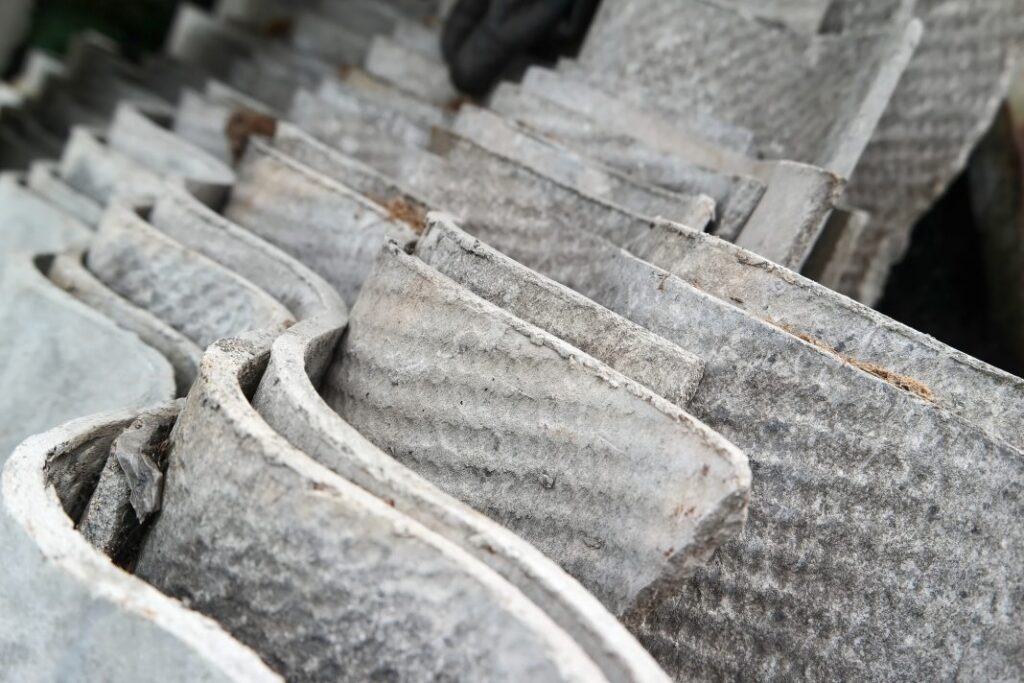
Roofing sheets and garage roofs
-
Floor tiles and adhesives
-
Soffits and guttering
If you suspect asbestos in your property, it’s important not to disturb the material until it has been properly assessed.
When Does Asbestos Need to Be Removed?
Not all asbestos materials require immediate removal. In some cases, asbestos that is in good condition and unlikely to be disturbed may be safely managed in place.
However, removal may be necessary when:
-
The material is damaged or deteriorating
-
Renovation or demolition work is planned
-
The asbestos poses a risk of fibre release
-
The property is undergoing refurbishment
A professional inspection will determine the safest course of action.
The Asbestos Removal Process
Professional asbestos removal follows strict safety procedures to protect both occupants and workers.
1. Asbestos Survey
The first step is a professional survey to identify the presence and type of asbestos-containing materials.
2. Risk Assessment
A detailed risk assessment determines whether the material should be removed, encapsulated, or managed in place.
3. Safe Removal
Specialist equipment and protective clothing are used to carefully remove the material while preventing fibres from spreading.
4. Waste Disposal
All asbestos waste must be transported and disposed of at licensed facilities in accordance with UK regulations.
Why Professional Asbestos Removal Is Essential
Attempting to remove asbestos yourself can be extremely dangerous and may also breach health and safety regulations.
Professional asbestos removal ensures:
-
Safe handling of hazardous materials
-
Compliance with UK regulations
-
Proper containment of asbestos fibres
-
Responsible disposal of waste
Hiring trained professionals helps protect your health and ensures the job is completed safely and legally.