
Lee and his plastering team did a brilliant job on my home in Linthorpe. This is a property I bought to rent out and needed the work doing to a good standard and quickly, JL Plasterers certainly delivered.

JL Plasterers provides professional damp proofing in Tynemouth for homeowners, landlords, businesses and property managers. We inspect moisture-damaged walls and surrounding parts of the building before recommending suitable treatment or repair work.
Tynemouth contains a mixture of period homes, traditional terraces, converted buildings, apartments and modern properties. Older construction, previous alterations and regular coastal weather exposure can all influence how moisture enters or moves through a building.
The visible damp patch is often only part of the problem. Water may be entering through an exterior defect, rising from ground level, leaking from pipework or forming as condensation on cold surfaces. Our wider damp proofing services are designed to identify the likely source before damaged finishes are removed or replaced.
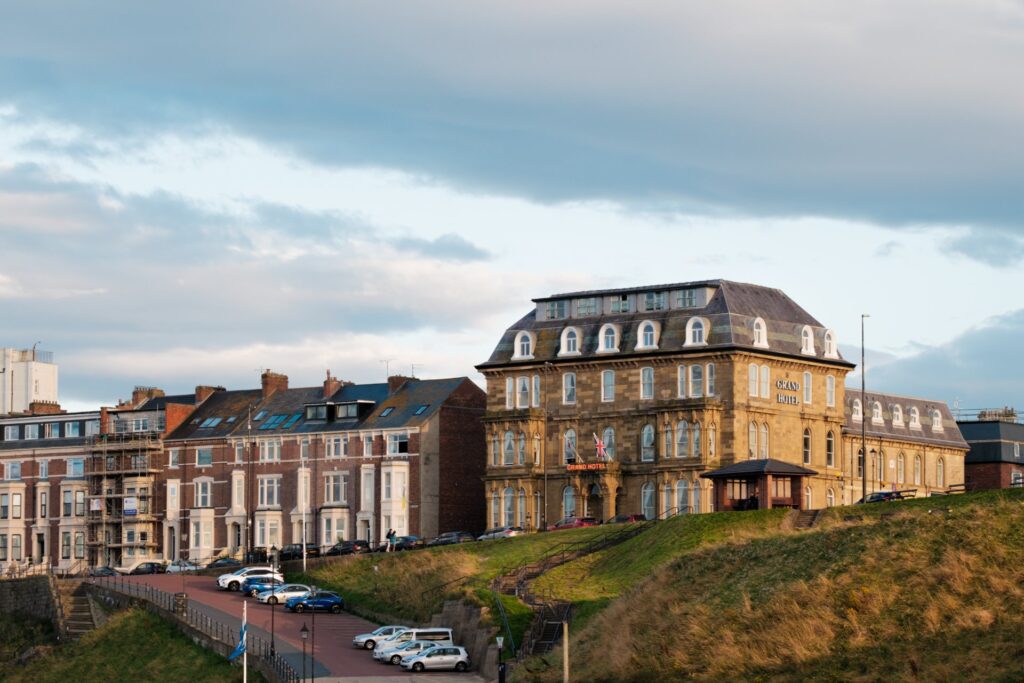
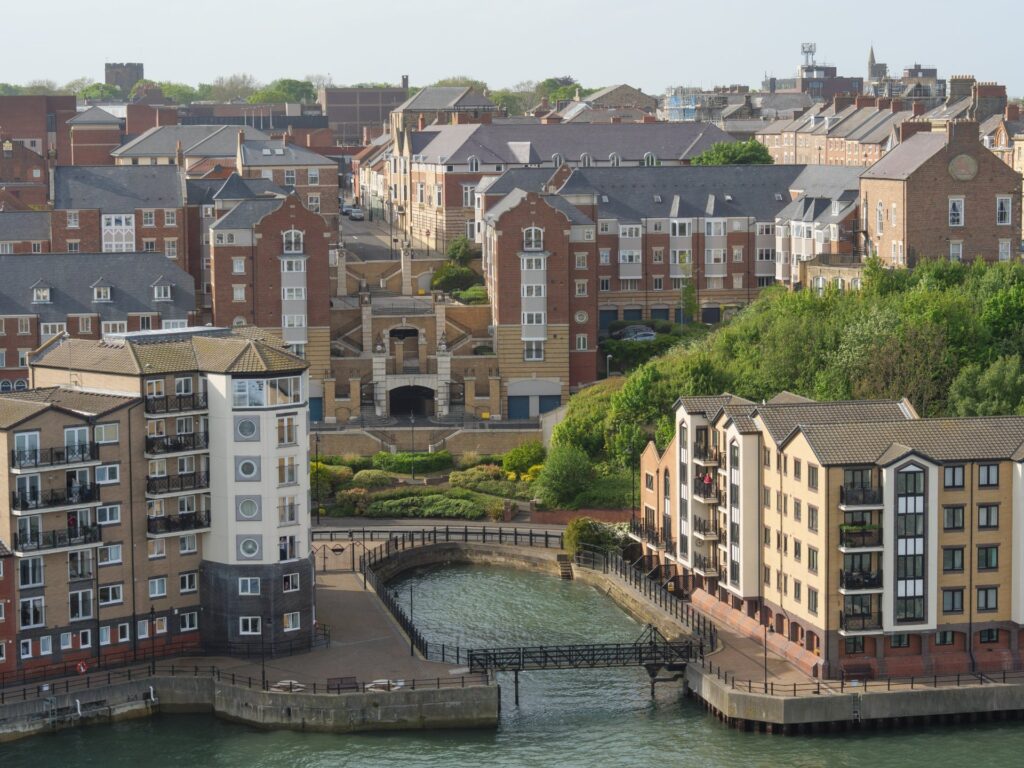
Older properties often contain materials and building details that have been repaired or altered several times. Changes to windows, heating, ventilation, exterior finishes and internal layouts can affect how the building manages moisture.
A wall that appears damp may be receiving water from a cracked external finish, chimney defect, leaking gutter or poorly sealed opening. Ground floor moisture could be connected to rising damp, but bridged damp proofing, raised external surfaces and plumbing should also be considered.
JL Plasterers examines the position and pattern of moisture alongside the condition of internal plaster and relevant exterior surfaces. This provides a stronger basis for recommending treatment than relying on a visual mark alone.
Speak to JL Plasterers about damp patches, mould, damaged plaster or persistent moisture in your property. We provide free quotations and clear recommendations based on the cause and condition found.
Penetrating damp can develop when rainfall enters through a defect in the exterior of a property. Cracked render, deteriorated mortar, damaged gutters, roofline problems, failed seals and defects around chimneys or openings can all provide possible routes.
The location of the internal mark may help narrow down the source, but water does not always appear directly behind the external defect. It can travel through materials and emerge at a joint, corner or weaker part of the surface.
Before internal plaster is renewed, the entry point should be identified and addressed. Our team can then remove loose or deteriorated material and restore the surface when conditions are suitable. Properties with damaged exterior finishes may also benefit from our rendering in Tynemouth service.

Lee and his plastering team did a brilliant job on my home in Linthorpe. This is a property I bought to rent out and needed the work doing to a good standard and quickly, JL Plasterers certainly delivered.
The work was carried out professionally and to a high standard. Both Carl and Phil were polite and cleaned everything up after their fine work. I would have no doubt in using this company again and have already received a quote for some future work when funds are available. Thanks!
Great experience from JL plastering, high quality and finished to the best standard. Would recommend this team to anyone they do a range of different things and more than happy to help you I had a lot of questions and Lee listened and explained my options to me.
Jamie, Lee and their entire team are hardworking, considerate and very professional. This was a big job and they were hindered by wet and stormy weather, but completed the work in good time. I am very satisfied with the quality of their work and am delighted by how my house looks now!

Rising damp affects the lower part of walls where moisture travels upwards from the ground through porous building materials. It can contribute to discoloured plaster, damaged skirting boards, peeling decoration and deposits around the base of a wall.
These signs should be investigated carefully because other problems can produce similar damage. Water entering through an external wall, a leaking heating pipe or high outside ground level may also create moisture close to the floor.
If rising damp is confirmed, the treatment may involve remedial damp proofing together with the removal of affected plaster. Preparation is important because salt-contaminated material may continue creating problems for future decoration. JL Plasterers explains how much of the surface needs attention and provides guidance about drying before the repaired wall is painted or papered.
Condensation can become more noticeable after a property has been modernised. Improved windows, blocked fireplaces, altered heating and reduced draughts can change the natural airflow through older buildings. Moisture created by cooking, bathing, laundry and everyday occupation may then settle on colder surfaces.
Recurring mould around windows, behind furniture or in external corners can indicate that warm humid air is reaching areas with limited circulation. Simply applying new paint or replacing stained plaster will not prevent the problem from returning when the moisture conditions remain unchanged.
We assess the affected room and consider ventilation, heating, surface temperature and normal property use. Once the cause is being managed, our plasterers in Tynemouth can repair walls and ceilings damaged by prolonged condensation.


Damp treatment is most effective when the source has been investigated properly. Applying a standard solution to every wet wall risks overlooking leaks, exterior defects, condensation and other contributing factors.
JL Plasterers considers the complete condition of the affected area. Our experience with damp proofing, internal plastering and exterior rendering helps us understand how moisture can affect different parts of a property and how repairs should be sequenced.
We provide clear explanations and quotations before work begins. Customers are told what has been identified, which preparation is needed and what drying or decoration guidance should be followed after completion.
From individual damp patches to moisture damage across several rooms, we approach each property according to its construction and condition. Contact our team to arrange an assessment and discuss a suitable long-term solution for your Tynemouth home or business.
Older properties can develop damp through several different routes. Ageing pointing, cracked exterior finishes, leaking gutters and defects around roofs or chimneys may allow rainfall to penetrate. Ground floor walls can experience rising moisture where damp proofing is missing, bridged or no longer effective. Renovations may also change ventilation and heating patterns, increasing condensation on cold surfaces. Plumbing leaks remain another possible cause and should not be overlooked. The age of a property alone does not confirm which type of damp is present. JL Plasterers assesses the position and behaviour of the moisture together with internal and external conditions. Identifying the actual source helps ensure repairs are correctly ordered and prevents money being spent on treatment that does not address the underlying issue.
Damp can return when the original moisture source has not been corrected or the wall is replastered before it is ready. New plaster may initially cover stains and damage, but continuing water penetration, rising moisture or condensation can affect the replacement finish. Salt-contaminated material may also cause future decoration problems when unsuitable plaster is left in place. JL Plasterers investigates the moisture source before planning reinstatement. External defects, leaks and ventilation issues should be dealt with as part of the wider solution. Where affected plaster needs removing, we prepare the wall and use appropriate materials for the agreed work. Customers are also given guidance about drying and decoration. This measured approach provides a better foundation for lasting repairs than simply skimming over a damp or unstable surface.
Penetrating damp is often connected to rainfall and may appear close to an exterior wall, roofline, chimney, window or other point where water can enter. The patch may become darker or larger following wet weather. Condensation is usually related to indoor humidity and cold surfaces. It often develops around windows, external corners, ceilings and areas behind furniture, particularly during colder months. Mould and surface water droplets are also common indicators. However, the signs can overlap, and a property may experience more than one moisture problem at the same time. JL Plasterers considers when the patch appears, how it changes and what defects or ventilation conditions are present. This allows us to recommend external repairs, moisture management or damp treatment according to the findings.
The correct waiting period depends on the amount of moisture in the wall, the treatment completed, the depth of new plaster and the conditions within the room. A surface can appear dry before deeper parts of the wall have finished releasing moisture, so decoration should not be rushed. Painting too early may lead to poor adhesion, staining or an uneven finish. Heavy vinyl wallpaper and less breathable coatings can also restrict drying. JL Plasterers provides guidance based on the work completed at your property. Good ventilation and steady background warmth may support natural drying, but intense direct heat should generally be avoided. The repaired surface should reach an even, dry appearance before suitable decoration begins. We will explain what to look for and when to seek further advice if an area remains unusually damp.
JL Plasterers provides internal plastering and exterior rendering alongside damp proofing. Our plasterers in Tynemouth complete skimming, plaster repairs, ceiling work and finishes for renovated or altered rooms. Our rendering in Tynemouth service is available for cracked, loose and weathered exterior walls, as well as extensions and broader property improvements. These services often connect with damp-related work. A damaged exterior surface may need attention before internal plaster can be restored, while moisture-damaged walls may require preparation and reinstatement after treatment. We assess which stage should be completed first and provide separate, clear recommendations where several services are required. This helps protect newly finished surfaces from unresolved defects elsewhere in the building.
JL Plasterers supports customers throughout Tynemouth and neighbouring parts of North Tyneside, including North Shields, Cullercoats, Marden, Preston, Chirton and nearby coastal communities. Our damp proofing services are available for traditional houses, apartments, rental properties, shops, offices and other commercial buildings. Customers further north can visit our dedicated page for damp proofing in Whitley Bay. We also provide damp proofing in Newcastle and support properties across the wider Tyne and Wear region. Because building styles and moisture problems differ between properties, we base our recommendations on an inspection rather than location alone. Contact us with your address or postcode and we can confirm coverage and discuss arranging a suitable appointment.
